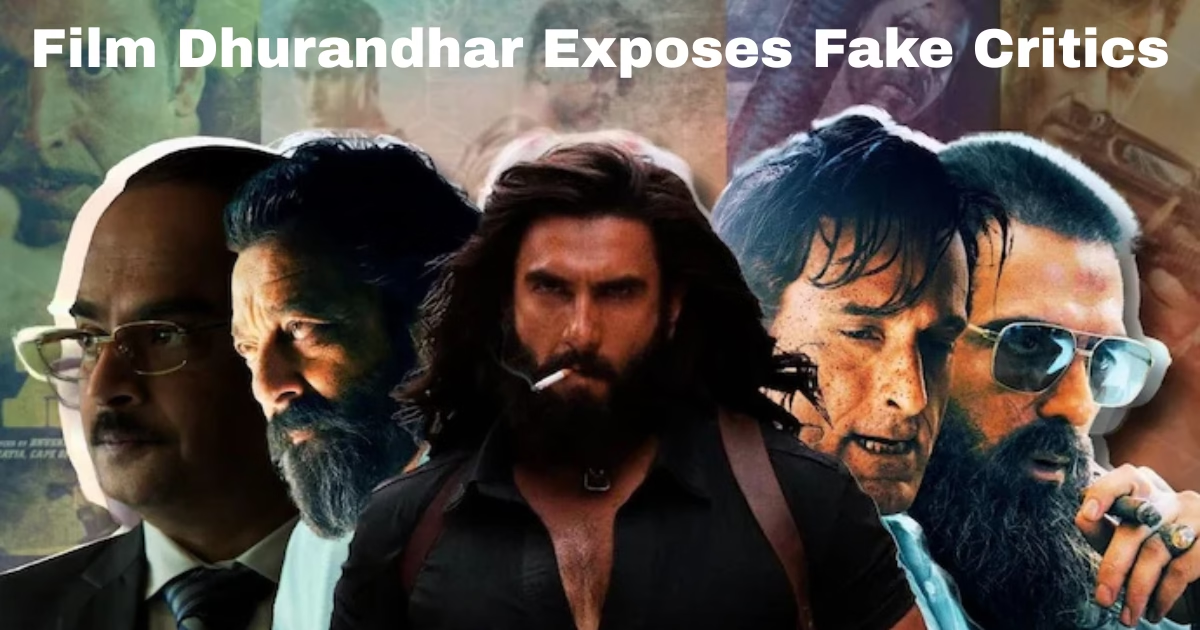
Film Dhurandhar exposes fake critics that shook the industry. Discover the real story behind the allegations, how the controversy unfolded, public reactions, and what it means for film reviews and transparency going forward.
For movie lovers, aspiring critics, and anyone curious about Bollywood’s inner workings, this breakdown reveals how fake reviewers operate and why this exposure matters for the entire film industry.
We’ll dive into how the Dhurandhar cast and crew pulled off this bold exposé, uncovering the tactics fake critics use to manipulate audience opinions. You’ll also discover the concrete evidence that brought this Bollywood fake reviews scandal to light and what it means for the future of honest film criticism in India.
The Film Dhurandhar fake critics controversy erupted when the film “Dhurandhar” boldly exposed fake critiques plaguing the Bollywood industry. This unprecedented move created a viral sensation as the production took the courageous step of revealing the truth behind manufactured film reviews that had been misleading audiences.
Key figures involved in the controversy
The Dhurandhar controversy viral incident prominently featured notable Bollywood personalities including Ranvir Singh, Akshaye Khanna, and Aditya Dhar, who became central figures in this groundbreaking exposure. These industry professionals were mentioned in relation to the fake critics revelation, highlighting how widespread the issue had become within mainstream cinema circles.
The role of social media in amplifying the story
Social media platforms, particularly YouTube, played a crucial role in spreading awareness about the fake film critics Bollywood scandal. The incident gained significant traction through content creators like @RJRaunac, demonstrating how digital platforms have become powerful tools for exposing industry malpractices and ensuring transparency reaches millions of viewers instantly.

Ranvir Singh emerged as a central figure in the Film Dhurandhar fake critics controversy, playing a crucial role in the exposure of fraudulent review practices within Bollywood. His involvement brought significant attention to the widespread issue of fake film critics operating throughout the industry.
Akshaye Khanna’s Role in the Controversy
Akshaye Khanna’s participation in the Dhurandhar controversy viral campaign helped amplify awareness about fake critics exposed Bollywood. His collaboration with the film’s team demonstrated the collective effort required to address the systematic manipulation of film reviews and public opinion in the entertainment industry.
Director Aditya Dhar’s Stance on Fake Criticism
Director Aditya Dhar took a bold stance against the film industry fake reviews scandal, positioning himself as a vocal advocate for transparency and authentic criticism. His involvement in the Dhurandhar cast crew controversy showcased his commitment to exposing the truth behind manipulated film criticism practices.
Fake film critics in Bollywood typically operate through coordinated social media campaigns, creating multiple anonymous accounts to post fabricated reviews across platforms. These fraudulent reviewers often use automated bots to generate positive or negative sentiment, manipulating audience perception before a film’s release.
Impact on genuine film criticism
The proliferation of fake critics has severely undermined authentic film journalism, making it increasingly difficult for audiences to distinguish between legitimate reviews and paid content. This erosion of trust has forced genuine critics to work harder to establish credibility, while audiences become more skeptical of all film criticism, regardless of its authenticity.
The Evidence That Exposed the Truth: Film Dhurandhar Exposes Fake Critics

The Film Dhurandhar controversy brought to light systematic manipulation within Bollywood’s review ecosystem. Multiple instances of fabricated reviews surfaced, revealing coordinated efforts to artificially inflate ratings and manipulate audience perceptions. These fake critics operated through established networks, creating false personas to lend credibility to their manufactured opinions about films.
Documentation and proof presented
Industry reactions to the revelations
The Dhurandhar fake critics scandal triggered widespread discussions across the film industry about review authenticity and media integrity. Established filmmakers and actors voiced concerns about the long-standing practice of fake reviews affecting genuine artistic evaluation. This controversy sparked calls for greater transparency and accountability in film criticism platforms.

Now that we have covered the evidence behind the Film Dhurandhar fake critics scandal, the industry has implemented stricter verification protocols for film reviewers. Publications now require comprehensive background checks and professional credentials before granting critic status. Digital platforms have introduced verification badges and authentication processes to distinguish legitimate reviewers from potentially fake accounts spreading misleading opinions about films.
Impact on audience trust in reviews
New measures to prevent future incidents
With this controversy exposing the depth of the Bollywood fake reviews scandal, streaming platforms and review aggregators have deployed advanced algorithms to detect suspicious review patterns. These systems monitor for coordinated posting activities and flag potentially fraudulent content, ensuring that genuine audience feedback remains the primary influence on film ratings and public perception.
Lessons Learned from the Controversy: Film Dhurandhar Exposes Fake Critics

Importance of authentic film criticism
With the Film Dhurandhar fake critics controversy bringing widespread attention to fraudulent reviews in Bollywood, the entertainment industry must prioritize genuine film criticism. Authentic reviewers provide unbiased assessments that help audiences make informed viewing decisions while supporting filmmakers’ artistic growth.
How audiences can identify credible reviewers
Now that we have covered the importance of authenticity, audiences should verify reviewers’ credentials, check their review history across multiple films, and look for detailed analysis rather than vague praise or criticism. Credible critics maintain consistency in their evaluation standards and disclose any potential conflicts of interest with production houses or distributors
The consequences of this revelation extend far beyond a single film, potentially reshaping how the industry approaches film criticism and review authenticity. As audiences become more aware of these deceptive practices, filmmakers and critics alike must now operate with greater transparency and accountability. The Dhurandhar case serves as a wake-up call for the entire entertainment ecosystem to prioritize honest criticism over paid promotions, ultimately benefiting both creators and movie-goers who deserve authentic reviews to guide their viewing choices.
Also Read-
https://topupdates.info/real-reason-kim-kardashian-changed-her-name/
2 thoughts on “Film Dhurandhar Exposes Fake Critics: The Truth Behind the Viral 2025 Controversy”