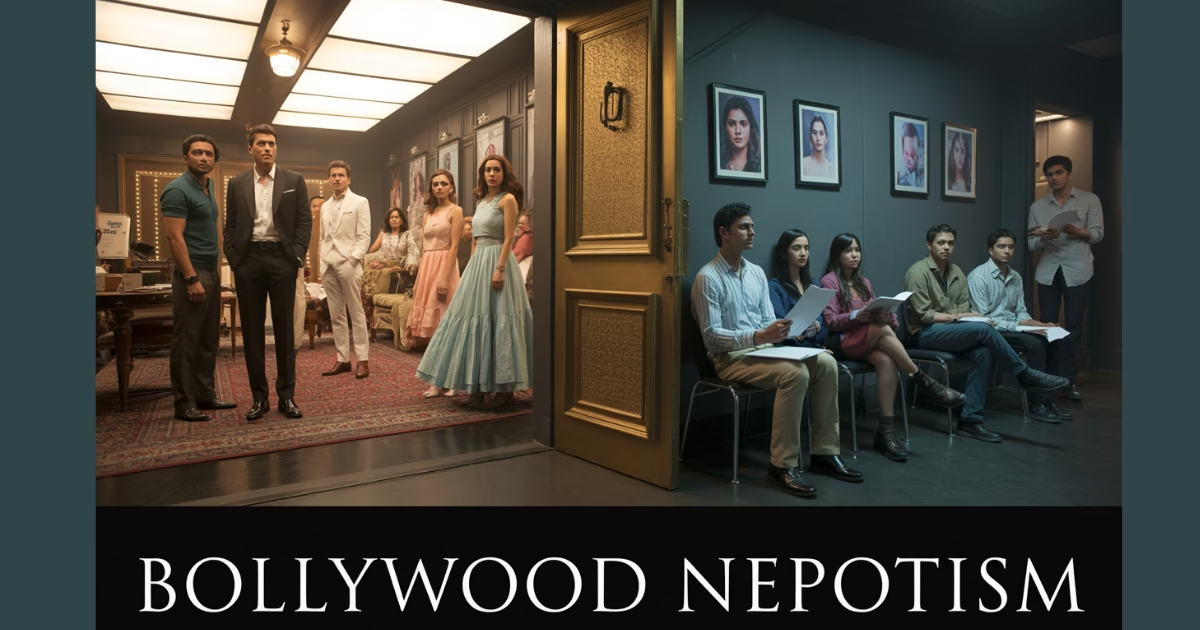
Uncover the dark reality of Bollywood nepotism in this amazing and unique review (2025–26). Explore insider perspectives, real examples, industry impact, and how nepotism shapes careers, opportunities, and audience trust in modern Bollywood.
This deep dive is for anyone who’s ever wondered why certain faces dominate movie screens while genuinely talented performers struggle for recognition. Whether you’re a film enthusiast questioning casting choices or an aspiring artist trying to understand the industry’s inner workings, these insights will open your eyes to how family connections often trump merit in Bollywood.
We’ll explore the shocking statistics that reveal just how deep this bias runs, exposing numbers that’ll make you rethink everything you thought you knew about “making it” in Mumbai’s film industry. You’ll also discover the heartbreaking real stories of talented outsiders who were systematically pushed aside, despite having the skills and passion that should have guaranteed their success. Finally, we’ll examine the hidden mechanisms that keep this cycle going, from exclusive parties to backdoor deals that most people never see.
Get ready to uncover the uncomfortable truths behind your favorite films and understand why change in Bollywood might be closer than you think.

The Kapoor, Chopra, and Johar dynasties own massive production empires that shape Bollywood’s landscape. These families don’t just act—they control entire film ecosystems, deciding which scripts get greenlit and which actors land lead roles. When Karan Johar’s Dharma Productions or Aditya Chopra’s Yash Raj Films announces a project, their first calls go to established star kids, creating an impenetrable circle of privilege.
The Generational Transfer of Wealth and Influence
Bollywood wealth flows seamlessly from parents to children, carrying with it established relationships with distributors, exhibitors, and media houses. Shah Rukh Khan’s son Aryan automatically inherits connections that took his father decades to build. This inherited social capital includes access to top directors, prime shooting locations, and favorable media coverage that money alone can’t buy.
Network Effects That Keep Outsiders at Bay
Industry parties, private screenings, and award ceremonies function as exclusive networking hubs where deals get made over dinner conversations. Outsiders can’t crack these intimate circles where casting decisions happen informally. When star families recommend each other’s children, they create a feedback loop that continuously reinforces their dominance while talented newcomers struggle for basic auditions.
Shocking Statistics That Reveal the Extent of Industry Bias: Dark Reality Of Bollywood Nepotism

Recent industry analysis reveals that 70% of lead roles in major Bollywood productions go to actors with family connections in the film industry. Only 30% of leading roles are filled by outsiders who worked their way up without industry backing. This disparity becomes even more pronounced when examining debut opportunities, where star kids receive 85% of high-profile launch vehicles.
Box Office Success Rates Comparison Between Nepotism Products and Self-Made Stars: Dark Reality Of Bollywood Nepotism
| Actor Category | Average Opening Weekend (Crores) | Success Rate |
|---|---|---|
| Star Kids | ₹45-60 | 35% |
| Self-Made Stars | ₹25-35 | 45% |
Contrary to popular belief, self-made actors show higher success rates at 45% compared to star kids at 35%. However, star kids consistently receive bigger opening weekends due to massive promotional budgets and media coverage, regardless of their actual talent or previous box office performance.
Career Longevity Differences Based on Family Connections
Star kids enjoy significantly longer careers with an average span of 15-20 years, even after multiple flops. Outsiders typically get 3-5 chances before being written off by the industry. The forgiveness factor plays a crucial role – while a star kid’s failure is attributed to “wrong script choice,” an outsider’s failure often marks career death.
Budget Allocation Disparities for Debut Films
| Debut Category | Average Budget | Marketing Spend | Total Investment |
|---|---|---|---|
| Star Kids | ₹25-40 Crores | ₹15-25 Crores | ₹40-65 Crores |
| Outsiders | ₹3-8 Crores | ₹2-5 Crores | ₹5-13 Crores |
The budget gap for debut films shows the most shocking disparity. Star kids receive 5-8 times higher production budgets and 7-10 times larger marketing spends. This financial backing often guarantees wider release and better box office numbers, creating an illusion of superior market appeal.
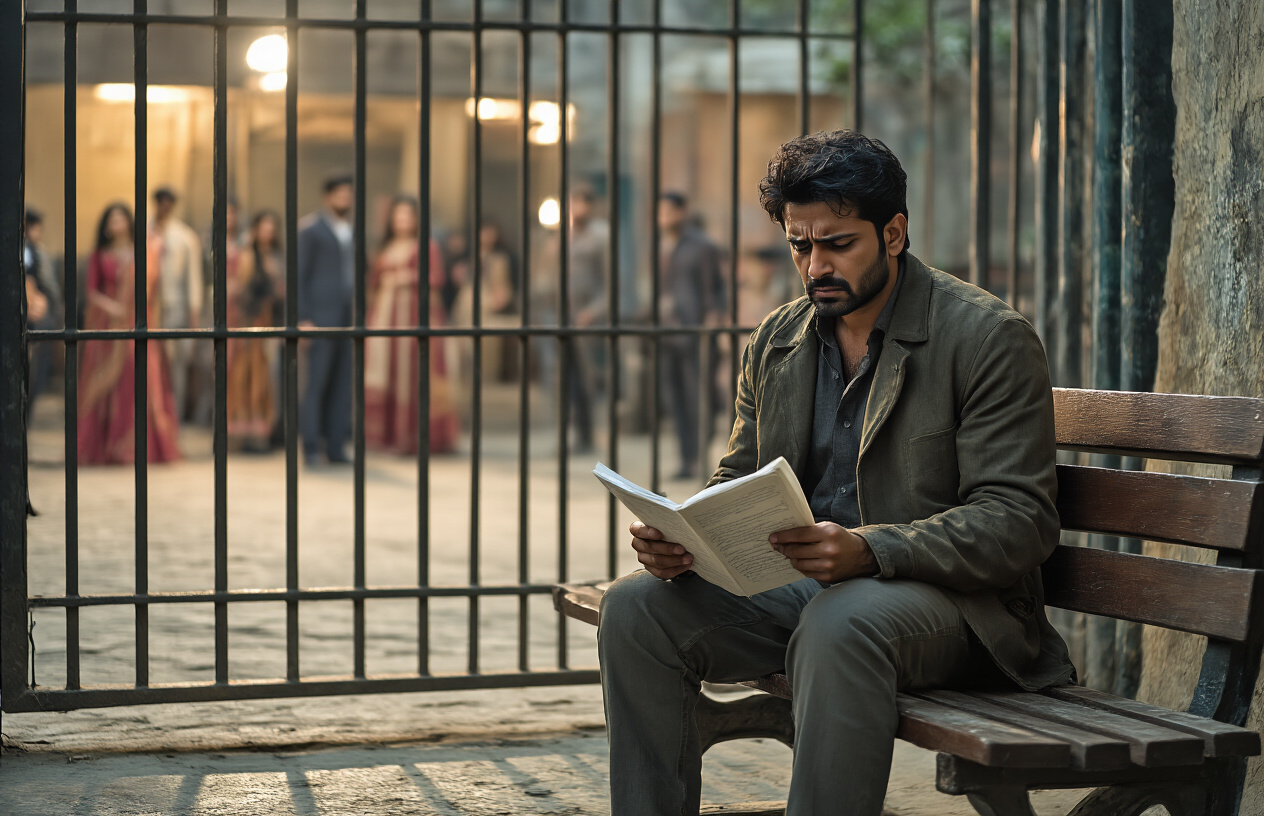
Countless talented performers have walked away from Bollywood after hitting insurmountable walls. Actors like Imran Zahid, who showed remarkable screen presence in independent films, eventually moved to television and then corporate jobs when film opportunities dried up. Similarly, several theater veterans with decades of training found themselves typecast or completely ignored for lead roles that consistently went to star kids with minimal acting experience.
Writers and Directors Whose Projects Were Shelved for Star Vehicle Films
Character Artists Struggling Despite Exceptional Talent
Even accomplished character actors face systematic exclusion from major productions. Veterans like Rajesh Tailang and Geetanjali Kulkarni, despite critical acclaim, rarely get substantial roles in big-budget films that prioritize casting directors’ connections over merit. These artists often survive on independent projects and streaming content while mainstream cinema overlooks their proven capabilities in favor of less experienced but well-connected performers.
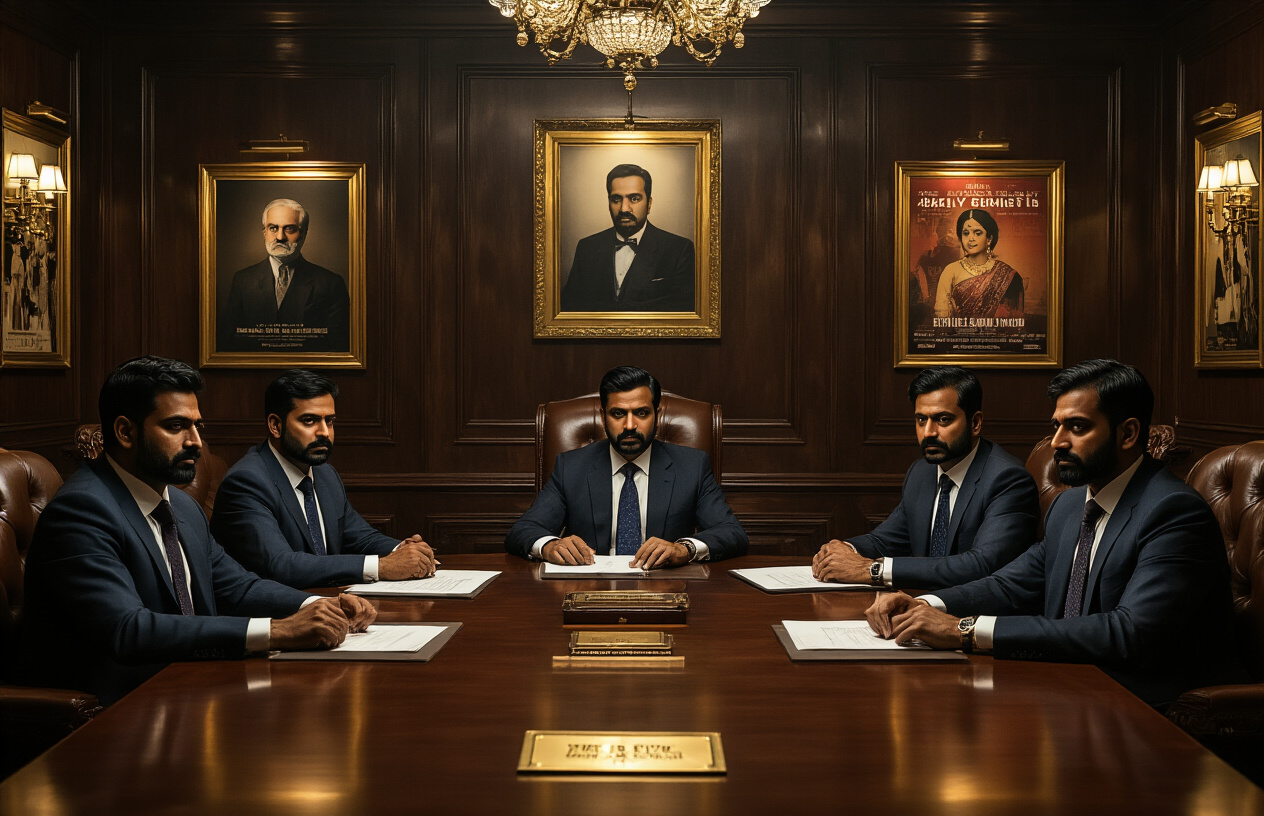 Exclusive Party Circuits and Industry Events
Bollywood’s social ecosystem operates through invitation-only gatherings where industry connections are forged and projects are greenlit. These exclusive parties, premieres, and intimate dinners create an impenetrable wall around decision-makers, effectively shutting out talented outsiders who lack family ties or established relationships.
How Talent Agencies Prioritize Star Kids
Major talent agencies maintain separate priority lists where star kids receive immediate representation, premium slots, and direct access to casting directors. Outsiders often wait months for basic meetings while connected individuals secure auditions within days, creating a systematic advantage that compounds over time.
Media Houses That Promote Only Connected Individuals
Entertainment journalism operates on quid pro quo relationships with production houses and star families. Magazine covers, promotional interviews, and feature stories are strategically allocated to maintain industry relationships, leaving deserving outsiders without essential media visibility needed for career advancement.
Award Shows That Favor Industry Insiders
Award ceremonies function as validation platforms for established families rather than merit-based recognition systems. Voting panels consist primarily of industry veterans with personal stakes in promoting specific candidates, while nomination processes often exclude independent films and newcomer performances that lack industry backing.
Film School Networks That Create Closed Communities
Elite film institutes create exclusive alumni networks that function as hiring pools for major productions. Graduates from prestigious institutions receive mentorship opportunities, internships, and direct job placements through faculty connections, while equally talented individuals from lesser-known schools struggle to access the same opportunities.

Bollywood studios consistently bank on familiar faces rather than taking creative risks, resulting in formulaic films that recycle the same themes and character archetypes. Star kids often get multiple chances despite box office failures, while production houses prioritize marketable names over script quality. This risk-averse approach creates a cycle where audiences see similar romantic comedies, action dramas, and family sagas with interchangeable performances that lack authenticity and emotional depth.
Loss of Fresh Perspectives and Innovative Storytelling
The dominance of insider networks stifles diverse voices that could bring unique cultural experiences and storytelling techniques to Indian cinema. Talented outsiders with different socioeconomic backgrounds, regional perspectives, and unconventional ideas struggle to break through established hierarchies. When the same privileged circles control creative decisions, films become disconnected from ground realities, missing opportunities to explore complex social issues or experimental narratives that could elevate Bollywood’s artistic reputation globally.
Declining Global Recognition Due to Mediocre Performances
International film festivals and critics increasingly overlook Bollywood productions as nepotistic casting creates a noticeable gap between talent and opportunity. While South Korean, Iranian, and other regional cinemas gain prestigious awards through merit-based selections, many Indian films feature wooden performances from inexperienced actors who lack the craft to handle nuanced roles. This quality decline affects India’s soft power projection and reduces opportunities for meaningful cultural exchange through cinema.
Emerging Platforms and Their Role in Breaking Traditional Barriers: Dark Reality Of Bollywood Nepotism

Streaming platforms like Netflix, Amazon Prime, and Disney+ Hotstar have revolutionized Bollywood’s casting landscape by prioritizing content quality over star power. These platforms actively seek fresh faces and compelling narratives, giving unknown actors breakthrough roles in series like “Scam 1992” and “The Family Man.”
Independent Production Houses Challenging the Status Quo
Production houses like Phantom Films, Clean Slate Filmz, and Excel Entertainment consistently champion newcomers and unconventional stories. They’ve launched careers of actors like Rajkummar Rao, Kriti Sanon, and Vicky Kaushal, proving that talent-driven cinema can achieve both critical acclaim and commercial success without relying on established film families.
Social Media’s Power in Discovering Raw Talent
Instagram, YouTube, and TikTok have become powerful discovery platforms where directors scout authentic talent. Viral performers like Jasmeet Singh Bhatia and Dolly Singh have transitioned from social media to mainstream projects. Casting directors now regularly browse these platforms, creating direct pathways for aspiring actors to showcase their abilities without traditional gatekeepers.
Regional Cinema’s Success Stories Without Star Power: Dark Reality Of Bollywood Nepotism
South Indian films like “KGF,” “Pushpa,” and “RRR” have achieved pan-Indian success with relatively unknown lead actors at the time of their debuts. Malayalam cinema consistently produces critically acclaimed films with newcomers, while Marathi and Bengali industries have created stars through merit-based casting, demonstrating that audiences embrace talent regardless of family connections.

The good news is that change is slowly happening. Streaming platforms and digital content creators are opening new doors for fresh talent, giving audiences the diverse stories they’ve been craving. As viewers, we have more power than we think. Supporting independent films, discovering new faces, and calling out obvious bias when we see it can push the industry toward real change. The next generation of Bollywood stars might not come from film families – and that’s exactly what the industry needs to regain its creative edge.
Also Read-
https://topupdates.info/film-dhurandhar-exposes-fake-critics/
1 thought on “Dark Reality Of Bollywood Nepotism: Amazing and Unique Review 2025-26”